global television

Watching television is up in my top 5 favourite things to do. I find that it is a great way to relax and reward myself after a long day at work or university. I always have one playing in the background as I eat, get dressed, do my makeup or brush my teeth. Once I find a show I like it is very hard for me to do anything else but watch it.

The television I consume comes mostly from the western world – Europe and America – the Global North. Most of my favourite shows are British, these including Skins, The Inbetweeners and My Mad Fat Diary. I find British humor superior and am therefore more entertained by these shows. Although I don’t believe my personal humor is as inherently pessimistic or mocking (Looney, 2012), I do I find the irony, sarcasm and banter of British humor very funny. I think The Inbetweeners is my favourite show because I would never dare to say more than half of the things they do.

I am also a sucker for cringey America television as well. I have been through the Gossip Girl, Pretty Little Liars and Glee phases and although all I seem to do is take the piss out of them, I cannot stop watching them! These shows are entertaining to me because of their absurdity and drama rather than humor or storyline. However, I just finished watching Euphoria, which is one of the few American television shows that I did not perceive as overdramatic or silly. I believe the show dealt with serious issues in a highly empathetic and beautiful way.

The television I watch is mostly about teenagers and how they deal with the trials and tribulations that life throws at them. Some deal with these topics in a serious way, and others in a comedic way. These show tell me a lot about the universal themes of adolescence and remind me that individuals of the same age all over the world are dealing with similar things (and that some are dealing with much, much worse). In regards to audiences, it tells me that most people are drawn to drama and topics such as romance, drugs, friendship and watching other people experience awkward and terrible situations.

I believe the reason for these show’s global success is their relatability and ability to touch on experiences that most teenagers are apart of. I think both these British and American shows have done so well in Australia because of their cultural similarity and proximity. Cultural proximity theory suggests that individuals tend to prefer their own national productions because of the familiar features, places and people that they are able to recognise and connect to (Elasmer, 2014). Although there are slight cultural differences between all 3 countries, I am able to understand the references and humor that is used in these shows. I have a general understanding of both the past and present issues and events of these countries and therefore have a decent understanding of the context in which the shows take place. A lot of British and American people “look like me” and “dress like me” and thus I feel a greater sense of connection to the characters.

References:

Elasmar, M. G. (2014). The Impact of International Television A Paradigm Shift. Hoboken: Taylor and Francis.

Looney, M. M. (2012). Humor vs. humour in “The Office”: The necessary adaption of television humor from the British market to the American market. University of South Alabama, ProQuest Dissertations Publishing

how global am i?

How global am I? I am really unsure of how to answer this question without sounding like a moron, so I have decided to let you determine my level of global-ness. To do this I have split my answer into 3 sections:

  • My family
  • The places I have travelled
  • My interests

Well, my Dad, Aunty and Uncle are all adopted.

My dad’s biological father is Canadian, my Aunty’s biological father is African, and we have no idea who my Uncle’s biological father is. That is pretty global I suppose. Although I guess none of that history really affects me personally.

Throughout my life I have travelled to Canada, Bali, Fiji and Tonga. I went to Canada when I was 12 so my memory of the trip is sort of foggy, however I can’t imagine experiencing many cultural differences compared to Australia.

Bali was interesting. It was the first place I had travelled to that had obvious distinctions from ‘Australian culture.’ After observing a different language, traditional song and dance, costumes, religious offerings, temples, food, and the way in which everyone interacted with each other, I had gained a greater understanding and appreciation of different countries and cultures.

Unfortunately, I can’t really say the same for my trip to Fiji… because I went there for schoolies. Although I did participate in an amazing ‘cultural exchange day’, in which we ate traditional food, watched performances and spent the day dancing and hanging out with local children, most of the trip was spent drinking, playing trivia, singing karaoke and speed dating.

During the recent uni break I went to Tonga. Turns out I have family over there? My dad’s cousin, or something. They have lived on the island of Nomuka, with a population of around 400 people, for about 8 years now. I was sort of hesitant to go, because what is there to do in Tonga? I obviously went, and I had a wonderful time. It was one of the most ‘global’ experiences I have ever had.

We arrived at the motel in Nuku’alofa at around 2:30am. When the manager opened our door and a cat ran out of the room, I knew we were in for an interesting experience. We were only supposed to stay there for one night before catching a boat to Nomuka where we were to spend the majority of our trip. However, the boat broke down and we were stuck there for four nights! The room was filthy, there was no TV or internet and there were stray animals roaming around everywhere. But, we made the most of it and eventually got used to it. While we were there we visited the markets, ate Tongan food and made friends with the family that ran the motel. It was also King Tupou VI’s 60th birthday during this time, and we had arrived right in the middle of his two-week celebration.

We finally took the 6-hour boat ride to Nomuka. That was an experience. Everyone was vomiting. Chickens, dogs, babies and families slept on the boat floor. When we got off at our stop we had to hop the roof of 3 boats, holding our luggage, to get to the one that would take us to Nomuka.

Once we were there we had the most amazing times. We slept in tents, had limited access to hot water and zero access to flushing toilets, but it was great. We swam with whales, went snorkelling, surfing and hiking. We rode horses and swam with them at the beach. We enjoyed home cooked meals with fresh ingredients from their garden. Spent full days on a boat watching dolphins and swimming to deserted islands. I spent the majority of my time with popcorn, a baby chick they rescued. It was the best time of my life!
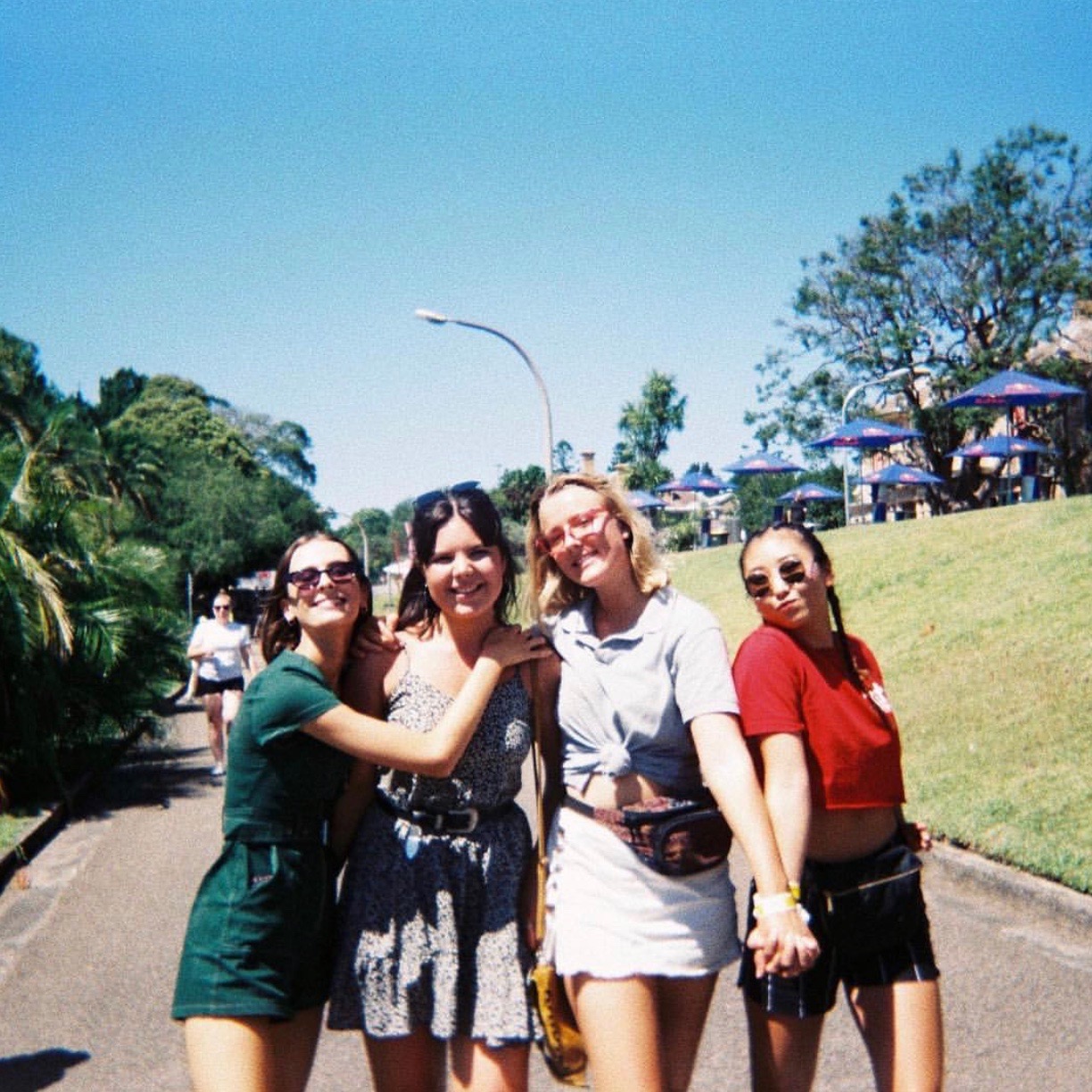

Moving on. I guess my interests are pretty global. I am studying international studies as well as communications and media, and do hope my future and career will somehow relate to culture and the global world. I love foreign films and tv shows such as Raw, Skam, Baby, Blue is the warmest colour etc. I also love food from all over the globe, my favourites including Thai, Indian and Mexican. I am also an avid user of social media and am therefore connected to other individuals from all over the world, thus making me part of the global media. I follow many accounts that are based in other countries and I love to keep up with the news, music and fashion that are relevant to those places. I am very curious of the world and hope that my life will involve more of these global aspects and experiences.
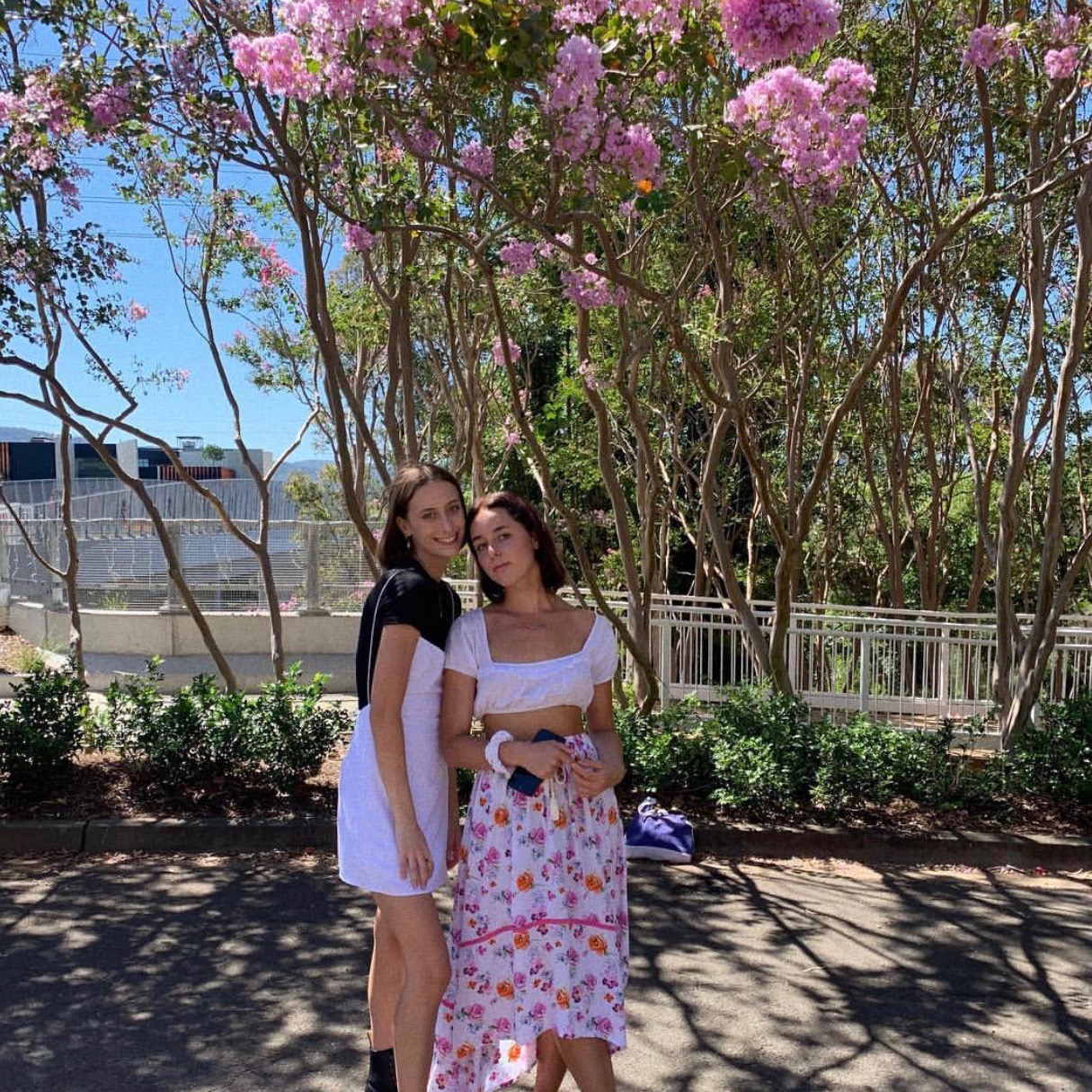
How global do you think I am? I reckon a 7/10?

Deception and Fakery

The ethics of a journalist have always played one of the most pivotal roles in their work. They determine the nature of a journalist’s practice, their writing and how they are perceived by the general public and others in the field of journalism. The MEAA journalists code of ethics is what Australian journalists look to for guidance, and centres around honesty, fairness, independence and respect. Similarly, the SPJ code of ethics are what American journalists abide by and is relevant to what will be discussed in this explainer.

You would think producing ethical work would be pretty simple, right? Well, that’s not always the case. Some investigative journalists fail to apply these ethical standards to their work. Sometimes by accident, sometimes on purpose. The desire to produce an exclusive story or provide the public with vital information are common motives behind a journalist’s intentional decision to disregard ethical recommendations. A specific instance of this situation can be found in The Mirage Bar Deception case, in which two investigative journalists from the Chicago Sun Times, went undercover as small business owners to prove that the government was accepting bribes from businesses to avoid being shut down. As exemplified through this case, deception and fakery are two of the many ways journalists can violate the code of ethics. So, is it okay to do so? If yes, then when?

By analysing the nature of the Mirage Bar Case within this explainer, we will be able consider the key ethical issues practitioners need to be aware of and concentrate specifically on deception tactics and how it can be justified. Dodgy business to say the least.

Deception and fakery. No, I’m not referring to the mean girls in high school that were nice to your face but would talk smack about you behind your back. I’m talking about one of the most common ethical issues debated in journalism. Sting operations, undercover journalists, fake identities. The lot! If we compare the similar points from both the Australian (MEAA) and the American (SPJ) code of ethics, it appears as if deception and fakery of any kind will simply not be tolerated.

MEAA:

  • Report and interpret honestly, striving for accuracy, fairness and disclosure of all essential facts. Do not suppress relevant available facts, or give distorting emphasis. Do your utmost to give a fair opportunity for reply.
  • Use fair, responsible and honest means to obtain material. Identify yourself and your employer before obtaining any interview for publication or broadcast. Never exploit a person’s vulnerability or ignorance of media practice.

SPJ:

  •  Avoid undercover or other surreptitious methods of gathering information unless traditional, open methods will not yield information vital to the public
  • Balance the public’s need for information against potential harm or discomfort. Pursuit of the news is not a license for arrogance or undue intrusiveness.
  •  Recognise that legal access to information differs from an ethical justification to publish or broadcast.

That doesn’t seem to stop them though. But why?

Going undercover or completing sting operations can be an extremely advantageous and powerful way to obtain restricted information. Sometimes, this form of journalism can be the only way major societal issues can be brought into the public eye. In most instances, investigative journalists utilise this type of research with hopes of benefiting the community and restoring justice. Most journalists find value in truth and the public interest and this is why deception and fakery is still prevalent and somewhat justified in journalism.

Let’s talk about a specific instance in which deception was used to catch criminal activity in Chicago. In 1977, journalists from the Sun Times, Pam Zekman and Bill Recktenwald, utilised hidden cameras to prove that the government was accepting bribes from businesses to avoid being shut and down and to expose corruption in the forms of “tax gyps” and “payoffs” throughout Chicago. Using fake identities, they bought a pub on 731 N. Wells Street and, thus, The Mirage Bar was created. This is an example of a ‘sting operation.’ They were successful in their goal, and were ultimately able to prove that government inspectors ignore laws and standards, “persuaded city inspectors to disregard health and safety violations in return for bribes, observed shakedowns by liquor inspectors, and uncovered tax fraud.” They caught the inspectors ignoring a maggot and fruit fly infestation, loose wires and faulty sinks. Their findings were published in the Sun Times as a 25-part series of documents that highlighted the crime and corruption that commenced within the Mirage during that year. Closer observation of businesses and tax frauds was enforced in the form of IRS agents and new inspection procedures, frequent investigations and city code revisions were imposed following this case, leading to the indictments of over half of the city’s inspectors.

Although some of these cases may be successful in exposing a significant story that was of high pubic interest, deception and fakery can lead to serious consequences. After all, its still lying. And it can get some journalists into a lot of trouble. While the journalists involved in the Mirage Bar Case did not face any legal backlash, violating the code of ethics can seriously affect the credibility of a journalist and may jeopardise their career. On a more serious note, journalists may face criminal charges and lawsuits for not identifying themselves, not clarifying their use of recording devices, fraud, an invasion of privacy and trespassing. Therefore, practitioners must be aware of these risks before utilising deception in their work if they wish to maintain their professional and legal standing. By evaluating instances of deception and fakery, journalists are able to recognise what should be considered:

  • Can you get this story without using deception or going undercover?
  • How will this affect the innocent individuals involved?
  • How will this affect your career? Will it have a positive or negative impact?
  • Do you have approval or permission from others involved?
  • Is it worth it?

No two instances of ethical violations within journalism are the same, and this is the main point practitioners must be aware of. In this instance, Pam and Bill’s defence of public interest was accepted and they were actually commended rather than criticised for their deceptive ways. However, this outcome is not guaranteed and therefore journalists must do their upmost to abide by their countries relevant code of ethics if they wish to maintain a steady and admirable career.

Sources:

Websites:

https://www.coursera.org/lecture/international-journalism/undercover-reporting-and-deception-jcXEr

https://en.wikipedia.org/wiki/Mirage_Tavern

https://www.samedayprocess.com/blog/What-Is-A-Sting-Operation_AE102.html

https://chicago.suntimes.com/news/the-mirage-tavern-40-years-later-sun-times-special-event/

https://theconversation.com/explainer-what-is-public-interest-journalism-78996

Images:

https://www.google.com/search?biw=1280&bih=510&tbm=isch&sa=1&ei=yATlXLW2F_b7z7sPmJme8Ao&q=shh+black+and+white&oq=shh+black+and+white&gs_l=img.3..0j0i7i30.11543.11997..12237…0.0..0.157.604.0j4……1….1..gws-wiz-img…….0i7i10i30.ZRs0h2xlA2Q#imgrc=yl–3y-8HqREmM:
https://www.google.com/search?biw=1280&bih=510&tbm=isch&sa=1&ei=iAflXJ7INdGGmgfr0Y-YDw&q=shoulder+devil+angel&oq=shoulder+devil+angel&gs_l=img.3..0i7i30j0i8i7i30l9.1541.2588..2709…0.0..0.147.404.0j3……1….1..gws-wiz-img.iG8sjJgGfxw#imgrc=APi5lSBhWAfACM:
https://www.google.com/search?biw=1280&bih=510&tbm=isch&sa=1&ei=KgDlXMv9DeLcz7sP5aS_6A8&q=journalists+black+and+white&oq=journalists+black+and+white&gs_l=img.3…1373.3514..3609…0.0..0.186.2243.0j15……1….1..gws-wiz-img…….0j0i67j0i5i30j0i8i30j0i24.NNpSLttx79c#imgrc=LyLlOLyYeTcOtM:
https://www.google.com/search?biw=1280&bih=510&tbm=isch&sa=1&ei=ngHlXMyjIIXgz7sPmLC7wA8&q=mirage+bar+chicago&oq=mirage+bar+chic&gs_l=img.1.0.0i24.2574.3091..4099…0.0..0.143.691.0j5……1….1..gws-wiz-img…….0j0i30j0i8i30.dkxso6HGckY#imgrc=UbtP1bggRcHijM:
https://www.google.com/search?biw=1280&bih=510&tbm=isch&sa=1&ei=ngHlXMyjIIXgz7sPmLC7wA8&q=mirage+bar+chicago&oq=mirage+bar+chic&gs_l=img.1.0.0i24.2574.3091..4099…0.0..0.143.691.0j5……1….1..gws-wiz-img…….0j0i30j0i8i30.dkxso6HGckY#imgrc=13Gphynyc8klzM:
https://www.google.com/search?biw=1280&bih=510&tbm=isch&sa=1&ei=9gHlXIjmEILjz7sPtvqJoAY&q=mean+girls+gif+black+and+white&oq=mean+girls+gif+black+and+white&gs_l=img.3…6269.12994..13154…3.0..0.222.4715.0j32j1……1….1..gws-wiz-img…….35i39j0j0i67j0i8i30.y4Z7ekwNS48#imgrc=NLIRZedqagSpuM:

ownership and control

I usually access my news from Australian newspapers and websites such as abcsnews, the Illawarra mercury and The Guardian. As we learnt in last weeks’ lecture, these media outlets are owned by News Corporation Australia, which is owned by Rupert Murdoch. Although these news sources are considered to be reliable by most, Rupert Murdoch is an exact representation of the exploitation and misuse of media for many.

Cartoon by artist Julio Carrion Cueva following Rupert Murdoch’s ‘News Of The World’ Scandal
h

Who owns the news we are consuming matters considerably. Highly regulated media and misleading information contributes to a distorted and confused reality and inevitably leads to high levels of doubt and mistrust in the media. It shouldn’t be so hard to figure out the truth.

Everyone wants to know what is happening within their community and the rest of the world and we therefore access these forms of news to find that information. The public deserves to know the truth and to have access to reliable, honest news. But how are we to trust the information that is provided if it is well known that the man who controls it is not always the most ethical? And, how are we to differentiate between fakes news and real news?

Melissa Zimdars, a Communication and Media professor at Merrimack College in Massachusetts published a list suggesting what journalists, and members of the general public, can do to identify fake news and to determine whether or not a source is trustworthy.

  • WATCH OUT IF KNOWN/REPUTABLE NEWS SITES ARE NOT ALSO REPORTING ON THE STORY. THERE SHOULD TYPICALLY BE MORE THAN ONE REPUTABLE SOURCE REPORTING ON A TOPIC OR EVENT.
  • LACK OF AUTHOR ATTRIBUTION MAY, BUT NOT ALWAYS, SIGNIFY THAT THE NEWS STORY IS SUSPECT AND REQUIRES VERIFICATION.
  • CHECK THE “ABOUT US” TAB ON WEBSITES OR LOOK UP THE WEBSITE ON SNOPES OR WIKIPEDIA FOR MORE INFO ABOUT THE SOURCE.
  • BAD WEB DESIGN AND USE OF ALL CAPS CAN ALSO BE A SIGN THE SOURCE YOU’RE LOOKING AT SHOULD BE VERIFIED AND/OR READ IN CONJUNCTION WITH OTHER SOURCES.

Basically, just take everything you read/watch/hear with a grain of salt!

Stupidly, I have quite a lot of trust in all sources of media. I like to believe I am capable of identifying fake news and gossip, but I still tend to believe almost everything I read, unless its outright ridiculous. However, being part of this degree has allowed me to become more aware of the deception that occurs behind the scenes of the media industry. It is our responsibility as communication and media students to educate others on the possibility of fake news and to encourage them to question the validity and the message of the media that they are consuming.

Thanks for reading

Gemma 😀 xxx

complex images

“29h59’59” by Liu Qiang – Art District, Beijing, China

This art piece, entitled “29h59’59”, was created by Chinese artist Liu Qiang, and depicts a mass of naked humans trampling one another in order to drink from the udders of a less-than-pleased looking cow. This image puts the concept of humans drinking cows milk into a new perspective, portraying it as abnormal and somewhat disturbing. As a vegan, (please don’t bully me) this image reflects my confusion towards the normalisation of drinking cow’s milk and makes me wonder how the whole world, including myself, has gone so so so many years without ever questioning how weird it actually is!

That’s what I take away from this image anyway! The message could be completely different for you, and that’s the whole point of this week’s blog post! How do YOU decode this message?

For individuals who have never thought twice about drinking cow’s milk, this image may evoke a sense of confusion and wonder. They may find it difficult to understand the encoder’s intended statement behind his work and could just perceive it as another weird and abstract artwork that doesn’t make any sense. Furthermore, someone, like myself, who is interested in animal rights and enjoys researching the conflicting debate surrounding whether or not drinking cow’s milk is natural, this art piece may evoke empathy. They may perceive this is a protest against the dairy industry and a representation of cruelty. On the other hand, someone who thinks veganism is wrong and that animals were created for the consumption of humans may look at this and laugh, or get really angry, perceiving it as ‘vegan propaganda’ or something that was intended to be comedic.

Neither of these interpretations are wrong! All types of media, including art, is intended to be interpreted differently. In this particular case, individuals will decode different meanings based off of their framework of knowledge surrounding animal rights activism and whether or not they believe drinking cow’s milk is right or wrong, or even if they don’t have an opinion on it at all!

Ultimately, the message an individual takes away from this image, or any image, is characterised by what they have come to accept as ‘right’ and ‘normal’, as well as the values that they withhold. These may be created through socialisation, their religion, culture, the ideas of family and friends, what they watch on tv or through the life experiences they have had.

Thanks for reading!

Gemma xxx 😀

a time when i was part of an audience

Being part of an audience is a massive part of my everyday life, whether it be a live or mediated one. I’ve always loved going to concerts and festivals, ranging from screamo bands such as Pierce The Veil, pop acts such as Justin Bieber or indie groups like The Jungle Giants! I’m pretty much into anything! Ive added some of the pictures I took whilst being part of a live audience throughout this post. Sadly, I do not have any photos of Skegss, which is the band and audience experience I will be talking about in particular.

Lana Del Rey
The 1975

This year I attended Laneway Festival in Sydney. After chugging 6 double blacks before 11am on the bus ride up and vomiting in the public toilet, my friends and I arrived at the venue. We attended Ruby Fields, Clairo, Kian, and Middle Kids before waiting in the mosh for Skegss to come on stage.

Sza
Pierce The Veil

Anyone who has ever been in a Skegss mosh, or any other mosh for a band of similar style, will know it’s an experience and a half. Its aggressive and painful and chaotic…. but also really, really fun. I don’t even really like Skegss’ music that much! For some reason, its so much more enjoyable live. My friends and I know we are going to get obliterated but we do it nonetheless. People in the mosh pour beer everywhere, shove each other with incredible force, purposefully run into circle pits, and rely on others to carry them through it all as they crowd surf! I fell to the ground and my face got stepped on. But its all in the name of good fun.

The Weeknd
Catfish And The Bottlemen

I guess these are the factors that make those type of audience experiences negative, but they are also what make them incredibly interesting and pleasurable, in a really weird way. The reason I still actively and voluntarily join in on this type of audience is the excitement, funny memories and great people that come with the experience.

Melanie Martinez
The Jungle Giants

The most important thing I take away from being part of an audience is the awareness of how important, fun and entertaining live music is. It’s a massive part of many people’s lives and creates a sense of belonging and purpose within a community, as well as an opportunity for us all to forget about our worries and responsibilities.

San Cisco
Cosmos Midnight

This experience connects to the ideas that were introduced in this week’s lecture as a crowd watching a live performance proves that not all audiences of today have become mediated; that there are still some occasions and groups of people that hold the original definition of an audience – one that can be seen together in the same location, at the same time, sharing the same experience.

Ball Park Music
The Wombats

Thanks for reading!

Laneway 2019
Laneway 2019

-Gemma 😀 xxxxxx

an introduction???

Hello! Welcome! I’m Gemma, I’m 18 years old and I’m currently studying communications and media and international studies at UOW! I declined a Tinder Boy’s offer of a free Tash Sultana + Ocean Alley ticket tonight and now I’m bored and regretful and have decided to start my first blog post to forget the fact I’m not there.

The idea of sharing a blog freaks me out. Expressing myself in any way has always made me cringe. I’ll get over it though. I sort of have to, don’t I? I have no idea what I’m supposed to write about though… I decided to look through my diary for inspiration but there is NO WAY any of those experiences or emotions are “lecturer or future employer friendly.” Here’s some boring information about me instead:

  • I graduated high school in 2018
  • My birthday is on the 5th of October (I’m a Libra)
  • My favourite colour is red
  • My favourite movie is Saw… or Fight Club… or Cruel Intentions or Angus Thongs and Perfect Snogging.
  • My favourite animal are cows
  • I have double jointed elbows
  • My favourite fruits are oranges and strawberries
  • I don’t have any pets
  • My two biggest fears are birds and snorkeling

Hopefully something interesting happens to me soon so I have stuff to write about. Until then, thanks for reading! See you around!

– Gemma : D xxxxxx

Processed with VSCO with b5 preset